

 Chewing and smoking tobacco are known to cause severe health problems, particularly in the lungs. But the risks to your mouth and teeth can be just as extensive and alarming. If you use tobacco, stop. Here’s what tobacco can do to your oral health.
Chewing Tobacco
According to the Academy of General Dentistry (AGD), tobacco chewers increase their risk of developing gum and cheek cancers by 50 times. Tobacco dissolves the gums which leads to sensitivity from exposed roots. This also makes for an ideal location for bacteria to grow, leading to decay. If you are chewing tobacco, stop, and ask our experienced oral health team about what you can do to keep your mouth healthy.
Smoking
According to a report by the AGD, smoking one pack a day can lead to the loss of two teeth each decade of your life. Smoking increases your odds of losing teeth. Cigarettes and cigars are both damaging to your oral health. Smoking can cause staining as well, leading to an unattractive smile.
Oral Cancer
Oral cancer can develop in several places in your mouth including on your tongue, lips, mouth floor, and gums. Those over 50, are at an increased risk of developing oral cancer, as are men. However, Oral cancer has been on the rise, especially for people under 30 according to the AGD. Schedule an appointment with us to receive a thorough oral health examination, and ask us about an oral cancer screening, particularly if you are a tobacco user. Oral cancer screenings are often very quick as our dentist checks your mouth, teeth, and cheeks for signs of irregularities. If caught early, oral cancer can be treated.
If you are a tobacco user, we strongly advise you to quit. You can work with our professional dental team as well as your doctor to overcome tobacco use. Everyone should be receiving regular oral health examinations, but if you are a tobacco user, you need to be especially vigilant in doing so. Schedule a visit to our office so that we can work with you to identify any potential issues.
For more tips on keeping your mouth healthy or to schedule your next visit to our office, please contact our office.



 Many people are surprised to learn that, for years, they have actually been brushing their teeth the wrong way. Brushing your teeth the wrong way may cause oral health problems. Learn how to brush your teeth the right way and you will protect them for many years to come.
 Your gum health may have an impact on your cognitive function. One recent study found a correlation between gum disease and increased cognitive decline for people living with early stages of Alzheimer’s disease. While more studies are needed to make a definitive connection, this study illustrates the importance of continuing the conversation about oral health and its impact on your entire body.
 Taking care of your dentures can seem like an added chore. Don’t worry, with a little effort your dentures can stay clean. Here are 5 tips for keeping your dentures clean and your smile healthy.
 When you are traveling, it can be challenging to keep up with your usual daily routine. For many people, this can include having difficulty finding the time to properly brush and floss. Whether you are traveling for business or pleasure, we have gathered a few helpful tips to help you stay on track with your oral health while you are away from home.
 Loose teeth, bad breath, and painful, bloody gums – these are among the signs and symptoms of periodontal, or gum, disease. Unfortunately, periodontal disease can also begin without any obvious symptoms. If left undiagnosed or untreated, you could be at risk for irreparable damage to your teeth and gums. The good news is that periodontal disease is preventable. In fact, one of the most effective tools for preventing the disease only takes a minute of your time each day.
 For seniors, it is imperative that gum health is a top priority. As you age, your risk of developing periodontal (gum) disease increases. Periodontal disease is both preventable, and in many cases, reversible. When left untreated, it can lead to more serious complications such as bloody or swollen gums, and even tooth loss. Even more alarming are the numerous studies connecting periodontal disease to other serious illnesses. Here’s what you need to know about gum health as you age.
 Exercise is important to good health, but can it have a detrimental effect on our teeth? Studies have shown that exercise and fitness habits can result in an increase in dental decay and tooth erosion. Exercise can impact our oral health in many ways, including: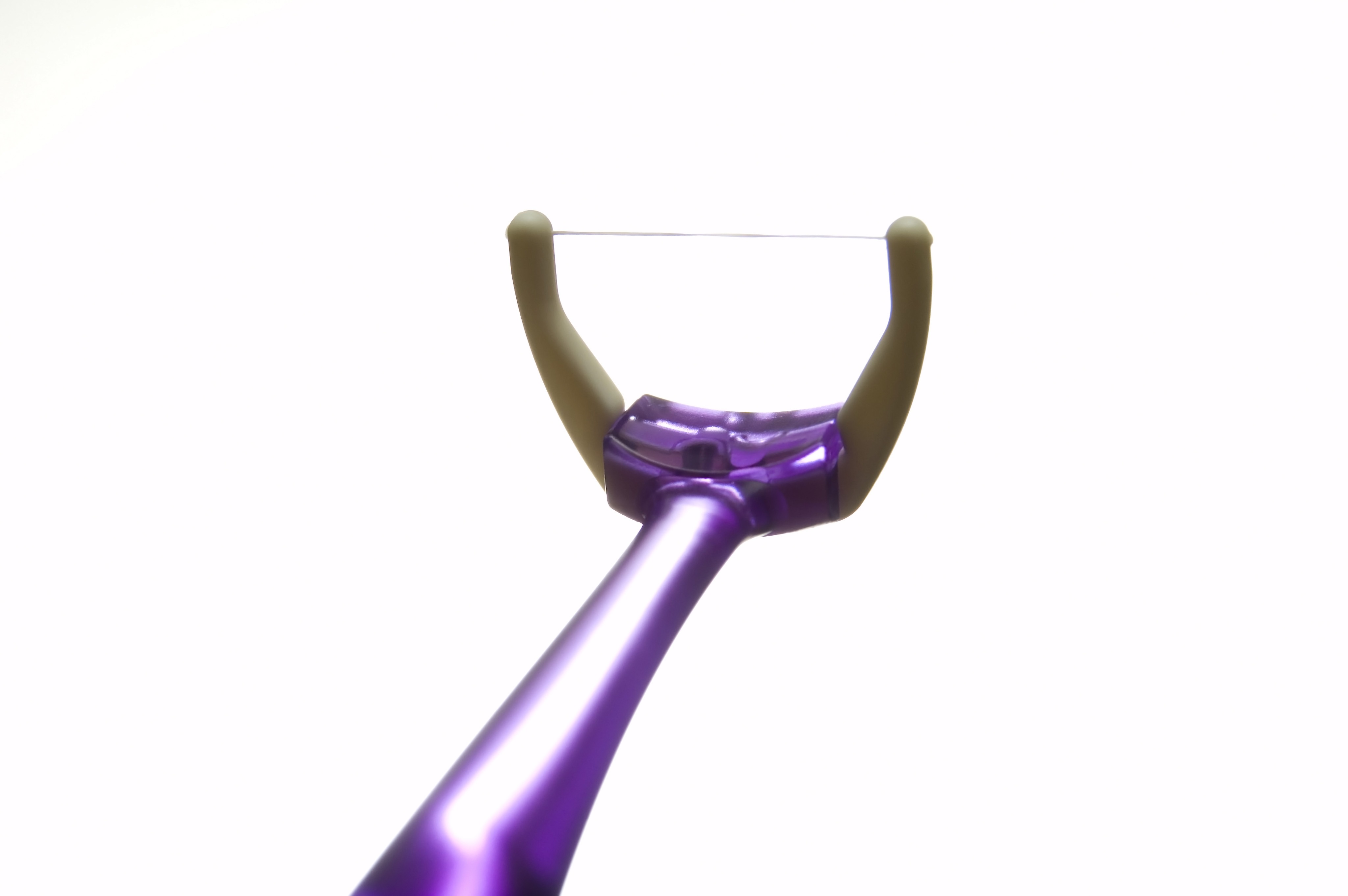
 By now, you have likely seen news reports questioning whether flossing is necessary for your oral health.