

“Walking into our stories of hurt…can feel dangerous and foreboding, and what we must ultimately confront is ourself. The most difficult part of our stories is often what we bring to them – what we make up about who we are and how we are perceived by others.” ~Bréne Brown
EVERYONE has a unique brand of crazy
Trust me, you do. I say this with lots of love in my heart, but everyone has very unique traits and beliefs that will undoubtably make them crazy (ok, maybe unique is a better word) to someone else. This is the side people are embarrassed to talk about, but it is also what makes them unique. These characteristics should be discussed with a dentist you trust. This explanation can open so many doors that will enable the right provider to create customized care that fits you exact needs.
So, what is the BIG question to ask?
Trust is about vulnerability. Putting yourself in someone else’s hands is tough, especially for those with dental anxiety. I think it is also important to ask as many questions as you need to feel comfortable. This means that for some people only one question is needed, and for others it may need a special visit just to “meet and greet” the dentist. During either of these types of visits, the question I would like you to feel comfortable asking is: “What do you do differently for dental anxious patients?” The secret to this is not the question or necessarily the answer you get; it’s the need to open the door for both of you to discuss how to make your visit an easy one.
Dr. Jeffrey E. Greenberg DMD

—
To view the video series, visit us:
Facebook: @sweetspotdental
Instagram: @hellosweetspotdental
To see how Dr. Greenberg and his team can help you click here



 Chewing and smoking tobacco are known to cause severe health problems, particularly in the lungs. But the risks to your mouth and teeth can be just as extensive and alarming. If you use tobacco, stop. Here’s what tobacco can do to your oral health.


 Many people are surprised to learn that, for years, they have actually been brushing their teeth the wrong way. Brushing your teeth the wrong way may cause oral health problems. Learn how to brush your teeth the right way and you will protect them for many years to come.
 Your gum health may have an impact on your cognitive function. One recent study found a correlation between gum disease and increased cognitive decline for people living with early stages of Alzheimer’s disease. While more studies are needed to make a definitive connection, this study illustrates the importance of continuing the conversation about oral health and its impact on your entire body.
 Taking care of your dentures can seem like an added chore. Don’t worry, with a little effort your dentures can stay clean. Here are 5 tips for keeping your dentures clean and your smile healthy.
 When you are traveling, it can be challenging to keep up with your usual daily routine. For many people, this can include having difficulty finding the time to properly brush and floss. Whether you are traveling for business or pleasure, we have gathered a few helpful tips to help you stay on track with your oral health while you are away from home.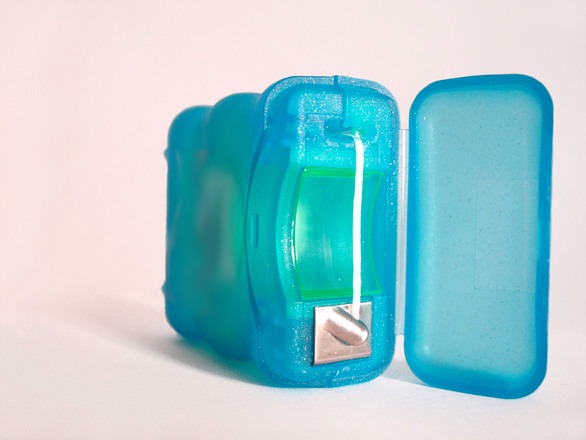
 Loose teeth, bad breath, and painful, bloody gums – these are among the signs and symptoms of periodontal, or gum, disease. Unfortunately, periodontal disease can also begin without any obvious symptoms. If left undiagnosed or untreated, you could be at risk for irreparable damage to your teeth and gums. The good news is that periodontal disease is preventable. In fact, one of the most effective tools for preventing the disease only takes a minute of your time each day.