

“For fast acting relief, try slowing down.” ~ Lily Tomlin
Everyone hates needles, and we know that
There is no surprise that you don’t like getting injections (or shots) at the dentist. We all are aware that it is probably one of the biggest triggers for you at the dentist! Here are a few tips for making this process much easier to deal with if you have an appointment where you know you will need to get numb for the procedure.
Trust should be established before an injection is performed.
See the previous post on questions you should ask your dentist! [LINK TO THIS POST]. Then:
Explain your triggers
Opening up a conversation about any bad past experiences is crucial to having an easy visit. By doing this with a provider who is sensitive to dentally anxious patients, there are a lot of “tricks” we are able to use to overcome a sometimes painful administration of local anesthesia (a.k.a., getting a shot).
Mindful breathing
Mindful breathing has been immensely helpful while I worked with patients chair-side throughout my career. The principles may seem very basic, but in reality it gives you something to focus on other than pain. Additionally, slow deep breathes have a helpful physiologic response during this procedure. I have learned to coach my patients chair-side for every single injection on mindful breathing techniques and I am then able to time my injection at the easiest moment for my patient.
For a quick mindful breathing exercise, see the video below:
Dr. Jeffrey E. Greenberg DMD

—
To view the video series, visit us:
Facebook: @sweetspotdental
Instagram: @hellosweetspotdental
To see how Dr. Greenberg and his team can help you click here






 When you are traveling, it can be challenging to keep up with your usual daily routine. For many people, this can include having difficulty finding the time to properly brush and floss. Whether you are traveling for business or pleasure, we have gathered a few helpful tips to help you stay on track with your oral health while you are away from home.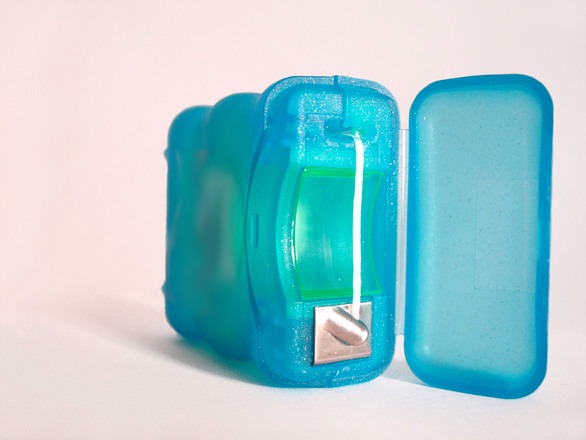
 Loose teeth, bad breath, and painful, bloody gums – these are among the signs and symptoms of periodontal, or gum, disease. Unfortunately, periodontal disease can also begin without any obvious symptoms. If left undiagnosed or untreated, you could be at risk for irreparable damage to your teeth and gums. The good news is that periodontal disease is preventable. In fact, one of the most effective tools for preventing the disease only takes a minute of your time each day.
 For seniors, it is imperative that gum health is a top priority. As you age, your risk of developing periodontal (gum) disease increases. Periodontal disease is both preventable, and in many cases, reversible. When left untreated, it can lead to more serious complications such as bloody or swollen gums, and even tooth loss. Even more alarming are the numerous studies connecting periodontal disease to other serious illnesses. Here’s what you need to know about gum health as you age.
 Exercise is important to good health, but can it have a detrimental effect on our teeth? Studies have shown that exercise and fitness habits can result in an increase in dental decay and tooth erosion. Exercise can impact our oral health in many ways, including: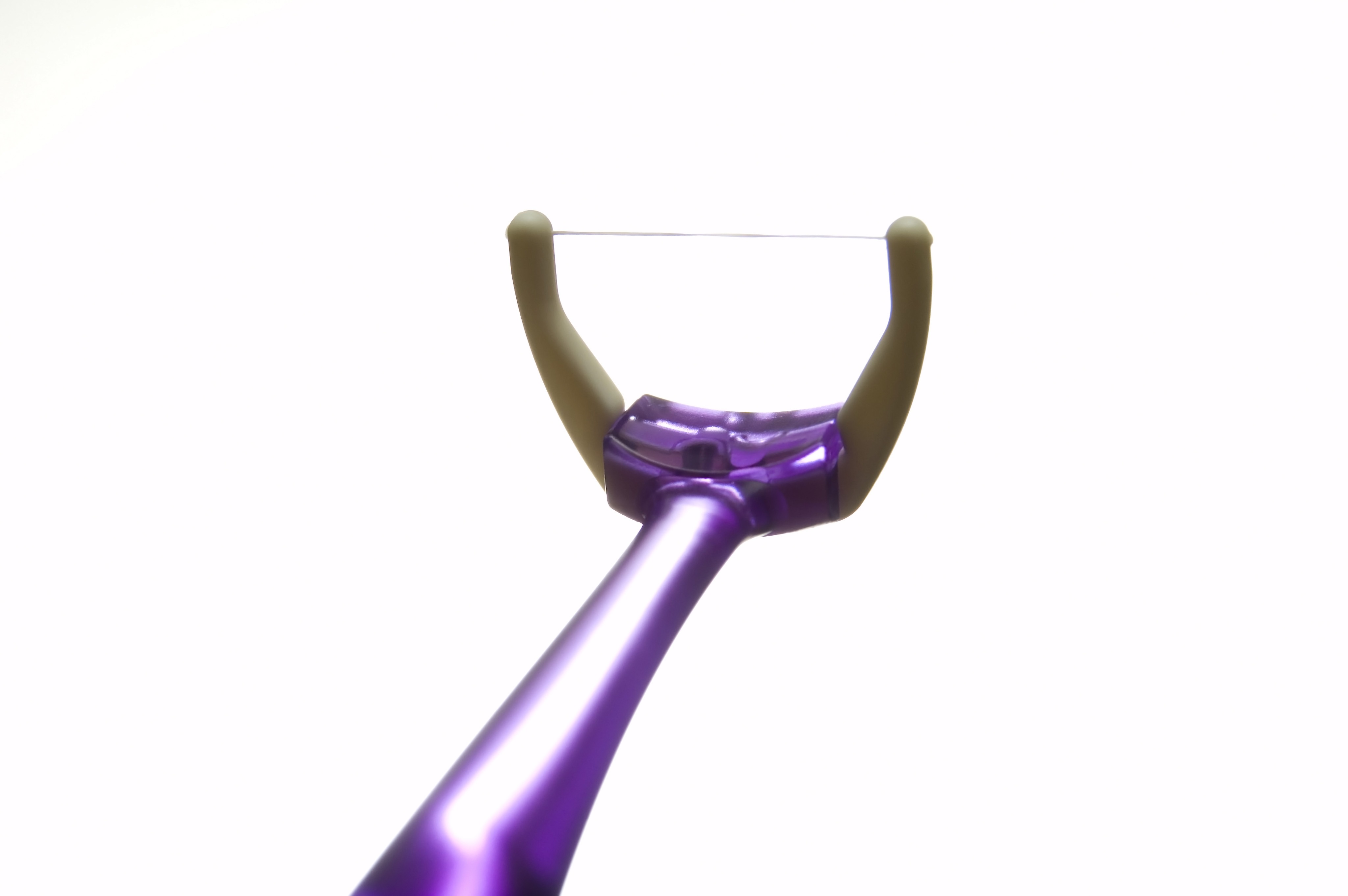
 By now, you have likely seen news reports questioning whether flossing is necessary for your oral health.