

When you are close to someone you can often be overly comfortable in sharing. This is especially true with kissing. In one kiss, more than 500 germs can be shared between two people. Sharing a kiss can have an impact on your oral health. Here are some of the dangers of kissing.

Colds & Flus
When you feel like you might be coming down with a cold or flu, it is best to avoid kissing. You certainly don’t want to transmit any diseases. Colds and flus are easily passed on through saliva and nasal fluids.
Cold Sores
If you see a cold sore near your mouth and lips, you should avoid kissing someone. Cold sores will look like small, clear blisters usually close to your lips. Cold sores are a viral infection, but are extremely contagious. Cold sores that are leaking fluids are especially contagious, however even a sore without any fluid can spread to others in contact. Avoid contact if you see cold sores!
Mono – The Kissing Disease
Mononucleosis, or mono, is spread very rapidly through kissing. The disease can also be spread by sharing behaviors such as sharing a cup, food, or straw. We recommend avoiding sharing your food and drink with others. Someone carrying mono might appear healthy, so always play it is safe by avoiding sharing your food and your germs.
Tips for Fresh Breath
It makes sense to want to have a clean, fresh breath when kissing. It is best to avoid foods that contain strong spices and flavors, such as garlic or onion. Long after they have been consumed, it is still possible to smell these foods on someone’s breath. Make sure you follow a regular daily oral hygiene routine. This includes brushing your teeth twice daily, as well as brushing your tongue, roof of the mouth, and inside of your cheeks. We suggest using a mouthwash or sugar-free gum after eating to help diffuse strong odors. Sometimes bad breath can be caused by other factors, so if you feel these solutions are not working, make an appointment with us.
Hundreds of germs can be shared when kissing. Watch out for cold sores as well as cold or flu symptoms. Don’t forget to keep up with your daily brushing and flossing routine.
For more tips on keeping your mouth healthy, or to schedule your next visit, contact our office.



 Chewing and smoking tobacco are known to cause severe health problems, particularly in the lungs. But the risks to your mouth and teeth can be just as extensive and alarming. If you use tobacco, stop. Here’s what tobacco can do to your oral health.
 Many people are surprised to learn that, for years, they have actually been brushing their teeth the wrong way. Brushing your teeth the wrong way may cause oral health problems. Learn how to brush your teeth the right way and you will protect them for many years to come.
 Your gum health may have an impact on your cognitive function. One recent study found a correlation between gum disease and increased cognitive decline for people living with early stages of Alzheimer’s disease. While more studies are needed to make a definitive connection, this study illustrates the importance of continuing the conversation about oral health and its impact on your entire body.
 Taking care of your dentures can seem like an added chore. Don’t worry, with a little effort your dentures can stay clean. Here are 5 tips for keeping your dentures clean and your smile healthy.
 When you are traveling, it can be challenging to keep up with your usual daily routine. For many people, this can include having difficulty finding the time to properly brush and floss. Whether you are traveling for business or pleasure, we have gathered a few helpful tips to help you stay on track with your oral health while you are away from home.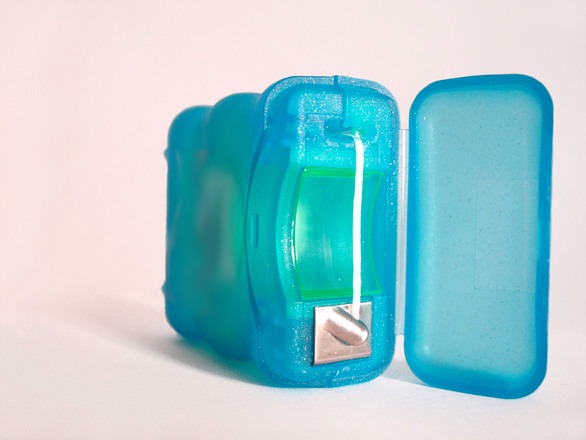
 Loose teeth, bad breath, and painful, bloody gums – these are among the signs and symptoms of periodontal, or gum, disease. Unfortunately, periodontal disease can also begin without any obvious symptoms. If left undiagnosed or untreated, you could be at risk for irreparable damage to your teeth and gums. The good news is that periodontal disease is preventable. In fact, one of the most effective tools for preventing the disease only takes a minute of your time each day.
 For seniors, it is imperative that gum health is a top priority. As you age, your risk of developing periodontal (gum) disease increases. Periodontal disease is both preventable, and in many cases, reversible. When left untreated, it can lead to more serious complications such as bloody or swollen gums, and even tooth loss. Even more alarming are the numerous studies connecting periodontal disease to other serious illnesses. Here’s what you need to know about gum health as you age.
 Exercise is important to good health, but can it have a detrimental effect on our teeth? Studies have shown that exercise and fitness habits can result in an increase in dental decay and tooth erosion. Exercise can impact our oral health in many ways, including: